Ever thought about what happens to your pets during a tornado? Imagine this: you’re hunkered down in a storm shelter, but your furry best friend isn’t covered by any safety net—literally or figuratively. Scary, right? With extreme weather on the rise, pet parents are scrambling to plan ahead. Today, we’re diving into how pet shelter cost planning tornado strategies can keep your pets safe while keeping costs manageable.
In this post, you’ll learn why pet insurance is vital for disaster prep, actionable steps to create a budget-friendly tornado shelter plan, and tips for choosing the best coverage. Plus, I’m sharing some brutal honesty (spoiler: there’s one “terrible tip” coming your way). Let’s get started!
Table of Contents
- Why Pet Shelter Cost Planning Matters During Tornado Season
- Step-by-Step Guide to Prepare Your Pet for a Tornado
- 7 Best Practices for Budgeting Pet Shelter Costs
- Real-Life Examples of Pet Safety Success Stories
- FAQs About Pet Insurance and Tornado Preparedness
Key Takeaways
- Create an emergency fund specifically for pet shelter costs during natural disasters.
- Pet insurance often covers boarding expenses if evacuation zones require temporary relocation.
- DIY shelters can save money but must meet safety standards—never skimp on quality.
- Local resources like nonprofit shelters may offer financial aid for pet emergencies.
Why Pet Shelter Cost Planning Matters During Tornado Season
I once made the rookie mistake of assuming my dog would just “ride out” a storm under our dining room table. Spoiler alert: he didn’t stay put! Pets aren’t exactly known for their calm demeanor during chaotic moments—especially when Mother Nature throws curveballs like tornadoes.
Here’s the deal:
- The average cost of boarding a pet during an evacuation can range from $50–$100 per night. Multiply that by a weeklong shelter-in-place order, and you’re looking at serious cash.
- Veterinary bills can pile up quickly if your pet gets injured during a storm—a situation where pet insurance becomes a lifesaver (quite literally).
- Without proper preparation, finding secure accommodations for pets during emergencies can feel like trying to solve a Rubik’s Cube blindfolded.
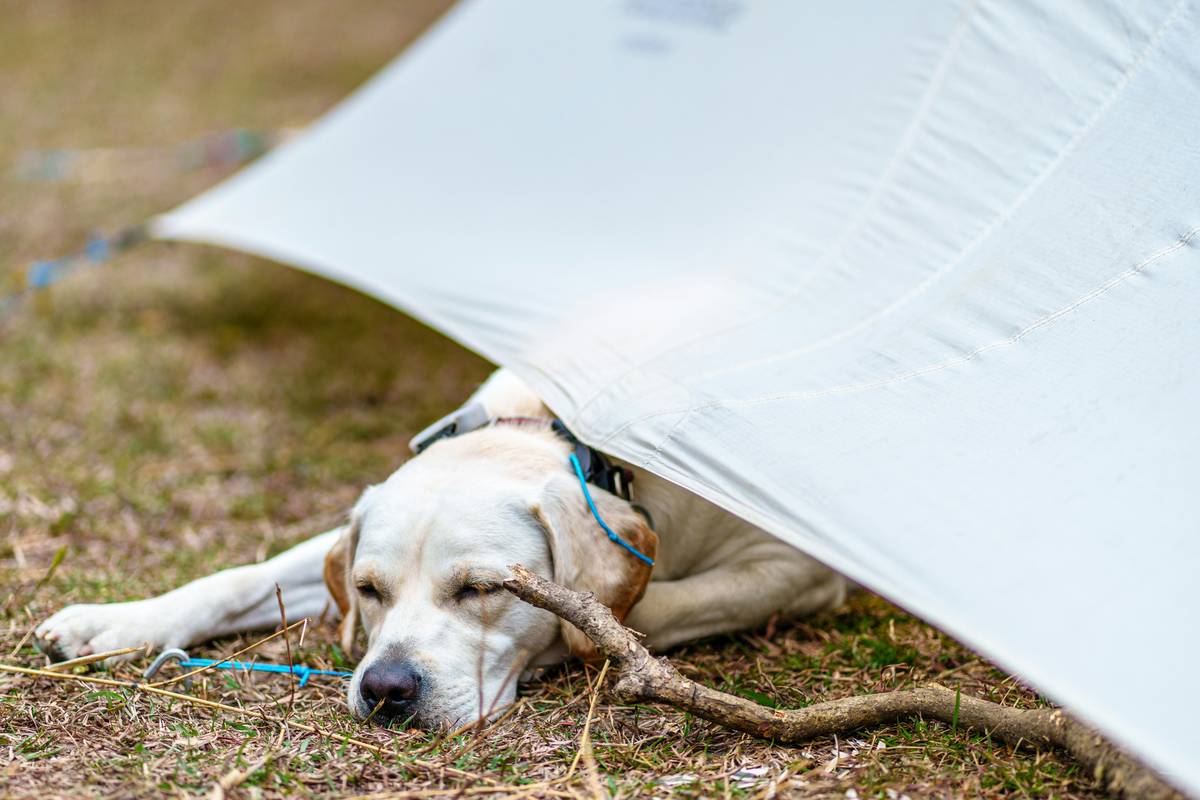
No one wants to think about worst-case scenarios, but let’s face reality: pets need protection just as much as humans do.
Step-by-Step Guide to Prepare Your Pet for a Tornado
Optimist You: Follow these steps to safeguard your pets!
Grumpy You: Yeah, yeah—but only if coffee fuels me through it.
Step 1: Assess Your Current Setup
Do you already have a safe space for pets? If not, consider investing in a reinforced carrier or crate approved for impact resistance.
Step 2: Research Local Shelters
Call nearby shelters now—not after disaster strikes—to confirm they accept pets during emergencies. Pro tip: Some even partner with insurers to lower costs.
Step 3: Build an Emergency Kit
Include essentials like food, water, medications, toys, and copies of vaccination records. Sounds straightforward, yet so many people overlook this step.
Step 4: Explore Insurance Options
Look for policies that cover both medical emergencies AND lodging assistance due to evacuations.
Step 5: Practice Drills
Run mock drills to acclimate your pet to the shelter environment. Trust me; practice makes perfect—and lessens anxiety during actual tornadoes.

7 Best Practices for Budgeting Pet Shelter Costs
- Schedule annual vet checkups to catch issues early and reduce unexpected medical bills.
- Compare multiple insurance plans side-by-side—don’t settle for the first option.
- Invest in durable crates/carriers upfront rather than replacing cheaper models every year.
- Join local Facebook groups dedicated to pet care for insider advice and discounts.
- Sign up for alerts from FEMA and other organizations offering free pet shelter services during disasters.
- Set aside $10–$20 monthly into an emergency savings account solely for pet-related expenses.
- Avoid DIY shortcuts unless you’re 100% confident in your construction skills.
Real-Life Examples of Pet Safety Success Stories
Let’s talk real-life wins:
- Sarah’s Story: After purchasing comprehensive pet insurance, Sarah was able to afford her cat’s surgery following debris injuries sustained during a tornado. She also utilized her insurer’s partnership network to board her pets at a discounted rate.
- Mark’s Tip: Mark built his own underground pet bunker using YouTube tutorials. It saved him thousands compared to hiring contractors and passed all safety inspections.

FAQs About Pet Insurance and Tornado Preparedness
Does pet insurance cover tornado-related damages?
Tornadoes themselves aren’t typically covered, but damage to your pet or relocation costs might be included depending on your policy.
How much does a pet shelter usually cost?
Costs vary widely based on location and facility type. Expect anywhere from $50–$200+ per day.
What should I include in my pet’s emergency kit?
Think practical: food, bowls, medications, contact info for vets, favorite toys, and poop bags.
Is it worth building a DIY shelter?
If done correctly, yes! However, improperly built shelters could fail during strong winds, endangering lives.
Conclusion
Preparing for a pet shelter cost planning tornado isn’t glamorous, but it’s absolutely necessary. From securing robust pet insurance to setting up a reliable emergency fund, being proactive pays off in spades. And hey—at least you won’t repeat my #EpicFail of leaving an untrained pup loose during a storm! Remember, the key is starting small and staying consistent.
To cap things off, here’s a haiku:
Storm clouds gather fast,
Pets seek shelter, hearts race—
Plan now, peace ensues.