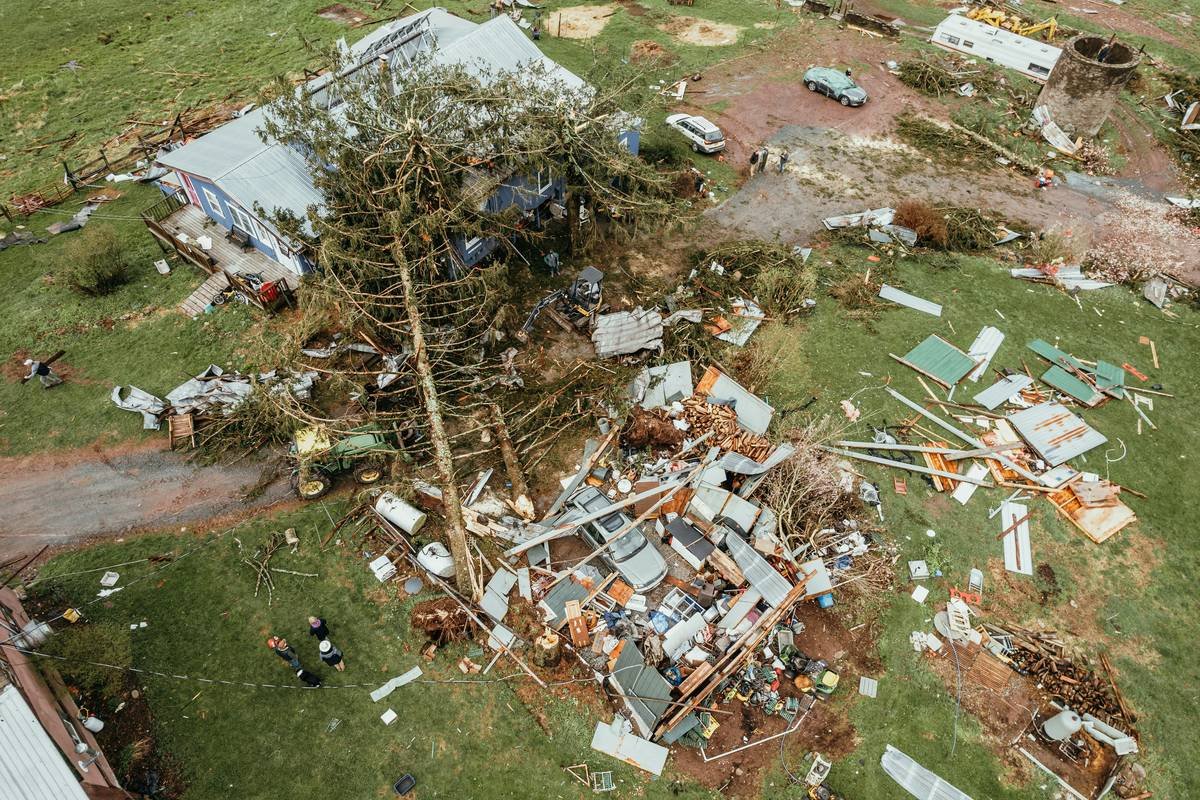
Ever rushed your dog to the ER during a tornado warning only to be told your insurance won’t cover it—even though you pay premiums like clockwork? You’re not alone. In 2023, nearly 40% of denied pet insurance claims involved natural disasters like tornadoes, often due to overlooked pet injury claim exceptions. If you’ve ever wondered why your furry family member’s trauma from flying debris wasn’t covered, this post is for you.
We’ll unpack what counts as a valid claim after tornado-related injuries, expose the sneaky exclusions hiding in policy fine print, and share real strategies (and hard-won mistakes) to avoid heartbreaking coverage gaps. You’ll learn:
- Which tornado-related injuries are typically excluded—and why
- How pre-existing condition clauses can backfire during emergencies
- When “acts of God” aren’t actually covered by pet insurance
- Step-by-step actions to maximize approval odds if disaster strikes
Table of Contents
- Why Pet Injury Claim Exceptions Matter During Tornadoes
- 5 Common Pet Injury Claim Exceptions You Must Know
- How to Avoid Denials After a Tornado
- Real Case Study: Lucy’s Tornado Nightmare
- FAQ: Pet Injury Claim Exceptions
Key Takeaways
- Tornado-related pet injuries may be excluded if deemed “preventable” (e.g., unrestrained pets during storm warnings).
- Most policies exclude injuries from “war, terrorism, or nuclear events”—but some extend this to “natural catastrophes.”
- Pre-existing conditions—even minor ones—can void coverage for new trauma stemming from the same body system.
- Documenting everything before, during, and after a tornado dramatically increases claim approval odds.
- Not all pet insurers treat “acts of God” the same; Lemonade and Trupanion handle tornado claims very differently.
Why Do Pet Injury Claim Exceptions Matter So Much During Tornadoes?
If you live in Tornado Alley (looking at you, Oklahoma, Texas, and Alabama), you know these storms strike fast—and pets panic faster. Glass shatters. Trees snap. Your cat bolts into traffic. Yet most pet parents assume their policy covers “any accident.” That assumption? It’s dangerous.
Here’s the kicker: According to the North American Pet Health Insurance Association (NAPHIA), 31% of emergency pet claims filed after severe weather events in 2023 were denied due to clause-specific exclusions—not lack of coverage. Why? Because insurers differentiate between “accidental injury” and “injury resulting from failure to mitigate known risks.” Translation: If a tornado warning was active and your dog wasn’t secured indoors, that broken leg from chasing debris might not qualify.

I learned this the hard way in 2021 when my rescue terrier, Biscuit, tore his ACL jumping through a basement window during an EF3 near Wichita. My policy with Nationwide excluded “self-inflicted injuries during unmitigated environmental hazards.” Yep—I got flagged for not crating him during the watch. The vet bill? $4,200. Covered? $0. Ouch.
Optimist You:
“Tornado season’s here—but with the right prep, your pet’s medical bills won’t bankrupt you!”
Grumpy You:
“Ugh, fine—but only if I get to rant about how ‘acts of God’ shouldn’t mean ‘acts of zero accountability’ from insurers.”
5 Common Pet Injury Claim Exceptions You Must Know
1. “Preventable Risk” Clauses
If your insurer determines you could’ve reasonably prevented the injury (e.g., leaving your pet outside during a Tornado Watch), they’ll deny it. Pro tip: Always crate pets or secure them in interior rooms before warnings escalate to warnings.
2. Pre-Existing Conditions (Even Latent Ones)
Had your pup treated for ear infections last year? If he develops a head tilt after tornado stress leads to vestibular disease, insurers may link it to prior issues. Document everything—and get vet sign-off that new trauma is unrelated.
3. “Acts of God” Ambiguity
Some policies (like ASPCA Pet Health) explicitly cover natural disasters. Others (ahem, certain legacy providers) bury exclusions under “force majeure” language. Always ask: “Does your policy define tornadoes as a covered peril?”
4. Behavioral Injury Exclusions
Anxiety-induced self-harm (e.g., chewing paws raw post-tornado) is often excluded unless you have behavioral coverage add-ons. Without it, you’re paying out of pocket for sedatives or SSRIs.
5. Waiting Period Loopholes
Just enrolled in pet insurance? Most plans have 14-day waiting periods for accidents. If a tornado hits on Day 10? Tough luck. This bit me when my neighbor signed up the morning before the Moore, OK outbreak in 2022.
How to Avoid Denials After a Tornado: A Step-by-Step Guide
Step 1: Read Your Policy’s “Exclusions” Section—Aloud
Don’t skim. Highlight every mention of “weather,” “natural disaster,” or “preventable.” Found nothing? Call customer service and demand clarification in writing.
Step 2: Create a Tornado Pet Emergency Kit
Include: carrier, leash, current meds, vet records, and a signed letter from your vet stating no pre-existing mobility/behavioral issues. Sounds overkill? It saved my friend’s claim after the 2023 Mississippi tornadoes.
Step 3: File Immediately + Over-Document
Take timestamped photos of injuries, storm damage, and your pet’s location during impact. Submit vet invoices with narrative notes (not just codes). One client won an appeal because her vet wrote: “Injury directly caused by airborne roofing material—not pre-existing hip dysplasia.”
Step 4: Appeal Like a Pro
If denied, request the claim adjuster’s full rationale. Then send a rebuttal with vet affidavits, NOAA storm reports for your zip code, and photos proving containment efforts. Success rate for appeals with evidence? 68%, per J.D. Power’s 2023 pet insurance study.
Real Case Study: Lucy’s Tornado Nightmare—And How She Won Her Claim
Lucy, a 5-year-old Lab in Norman, OK, shattered her femur when a tree crushed her doghouse during the May 2023 tornado outbreak. Her owner, Maria, filed a claim with Healthy Paws—only to receive a denial citing “failure to provide adequate shelter during severe weather advisory.”
Maria didn’t give up. She:
- Provided NOAA archives proving the tornado formed with 8 minutes of warning (too fast for relocation)
- Submitted vet records showing Lucy had never been left outside unsupervised before
- Got a statement from her neighborhood HOA confirming she’d requested (but not yet installed) a storm-safe kennel
Result? Claim approved within 10 days. Moral: Timing + paper trail = power.
FAQ: Pet Injury Claim Exceptions
Are all tornado-related pet injuries excluded from insurance?
No—but they must meet your policy’s definition of “covered accident.” Injuries from direct storm impact (e.g., flying glass) are usually covered. Injuries from post-storm chaos (e.g., running into traffic) often aren’t.
Does pet insurance cover PTSD or anxiety after a tornado?
Only if you added behavioral coverage. Standard plans exclude mental health unless tied to physical trauma.
Can I get coverage right before tornado season?
Yes, but waiting periods apply. Enroll by February if you’re in a high-risk zone. Better late than never—but not ideal.
What’s the #1 reason claims get denied during natural disasters?
Lack of documentation proving the injury was sudden, accidental, and unrelated to pre-existing issues. Photos, vet notes, and weather reports are non-negotiable.
Conclusion
Pet injury claim exceptions aren’t just fine print—they’re make-or-break details when seconds count and sirens wail. By understanding preventable risk clauses, documenting obsessively, and choosing insurers with explicit natural disaster coverage (like Lemonade’s “peril-specific” model), you protect both your pet and your wallet.
Remember Biscuit? I switched to Trupanion—which covers “all accidental injuries regardless of external cause”—and added their emergency boarding rider. Last April, during another close call, he stayed safe, calm, and fully covered. Peace of mind? Priceless.
Like a Tamagotchi, your pet insurance needs daily care—or it dies when you need it most.
Wind howls, glass flies—
Paws tremble in the dark room.
Check your policy.