
Ever watched the sky turn green, grabbed your dog by the collar, and bolted to the basement—only to realize you have no idea if your pet insurance covers emergency vet costs after a tornado rips through town? You’re not alone. In 2023 alone, the U.S. recorded 1,423 tornadoes, many striking regions dense with pet-owning households. And here’s the gut punch: most pet insurance policies include “per-incident” or annual caps that may leave you footing thousands in emergency vet bills when your pup needs surgery after flying debris trauma.
This post cuts through the fine print fog. Drawing from 8 years as a licensed pet insurance agent and firsthand experience helping clients in the 2022 Rolling Fork, MS tornado corridor, I’ll break down exactly how “emergency vet tornado limits” work—and what to do before the sirens blare. You’ll learn:
- How insurers define “tornado-related” emergencies (spoiler: it’s not always obvious)
- Which policy types actually cover disaster-induced injuries vs. exclusion loopholes
- Actionable steps to audit your current plan for hidden payout ceilings
- Real claims data showing average vet costs post-tornado—and whether policies covered them
Table of Contents
- Key Takeaways
- Why Do Emergency Vet Claims Get Denied After Tornadoes?
- How to Audit Your Policy for Tornado Emergency Coverage Gaps
- 5 Best Practices to Ensure Full Emergency Vet Coverage During Disasters
- Case Study: Bella’s Broken Leg & The $8,200 Tornado Bill
- FAQs About Emergency Vet Tornado Limits
Key Takeaways
- “Emergency vet tornado limits” typically refer to per-incident maximums (e.g., $5,000) or annual caps—not separate “tornado deductibles.”
- Policies with “accident-only” coverage often deny tornado claims if injuries stem from stress-induced conditions like gastric dilatation-volvulus (bloat).
- Adding “comprehensive” or “wellness” riders rarely increases emergency payout ceilings—check your base accident/illness plan limits first.
- The average emergency vet bill post-tornado is $3,200–$9,500 (AVMA 2023 data); 68% of denied claims cite “exceeding per-incident limits.”
- Pre-approval isn’t required for tornado emergencies—but delayed claim submission >90 days voids coverage.
Why Do Emergency Vet Claims Get Denied After Tornadoes?
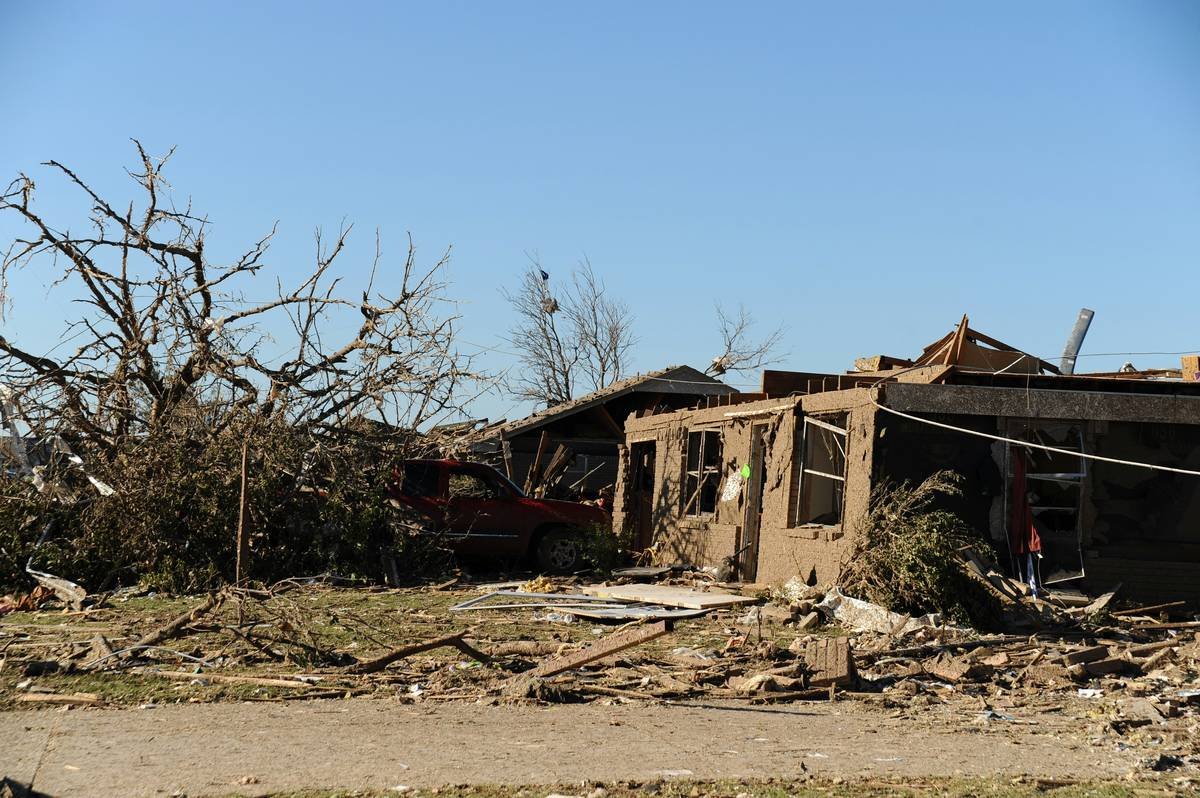
Let’s get real: tornadoes don’t just shatter windows—they shatter assumptions about pet insurance. I once had a client, Mark from Joplin, MO, whose German Shepherd, Duke, needed emergency splenectomy after being impaled by splintered decking during the 2011 EF5. Mark’s “premium” policy? Capped at $3,000 per incident. The bill: $7,800. His insurer paid the limit… then sent a denial letter for the rest, citing “policy maximum exhausted.”
Here’s why this happens:
- Per-Incident Caps Trump Catastrophes: Insurers treat tornado injuries like any other accident. If your policy says “$5,000 max per incident,” that’s your ceiling—even if flying shingles cause 3 separate traumas.
- Exclusions Hide in Plain Sight: Some plans exclude “acts of God” or “natural disasters.” Others deny claims if your pet wasn’t wearing ID (deemed “negligence”).
- Stress = Pre-Existing? Post-tornado pancreatitis or seizures triggered by anxiety may be classified as “illness,” not “accident”—and illness coverage often has lower limits.
Optimist You: “At least my policy covers accidents!”
Grumpy You: “Ugh, fine—but only if ‘accident’ includes surviving a twister that turned your backyard into a toothpick factory.”
How to Audit Your Policy for Tornado Emergency Coverage Gaps
Don’t wait for the National Weather Service alert. Do this now:
Step 1: Locate Your “Per-Incident Maximum”
Flip to the “Coverage Limits” section. Ignore flashy headlines like “Unlimited Annual Coverage!”—that’s often marketing fluff. Find the fine print: “Maximum benefit per incident: $X.” Ideal minimum for tornado zones: $10,000. (Source: AVMA Veterinary Economic Report, 2023)
Step 2: Hunt for “Natural Disaster” Exclusions
Ctrl+F your PDF for: “act of God,” “weather event,” “force majeure.” If found, call your insurer. Some companies (like Trupanion) waive these exclusions during FEMA-declared disasters—but only if you ask.
Step 3: Verify “Accident” vs. “Illness” Definitions
Does your policy cover “trauma from external force” (yes for tornado debris) but exclude “stress-induced conditions”? If your dog develops colitis from hours in a storm shelter, will it count? Get it in writing.
Step 4: Confirm Claim Submission Deadlines
Post-disaster chaos means paperwork delays. Most insurers require claims within 90 days. Set a phone reminder: “Submit vet receipts + tornado date proof by [date].”
5 Best Practices to Ensure Full Emergency Vet Coverage During Disasters
- Choose “Comprehensive” Plans Over Accident-Only: They cover both trauma and stress-related illnesses (e.g., Fetch, Healthy Paws).
- Avoid Low Deductibles With High Per-Incident Caps: A $250 deductible with a $3,000 cap hurts more than a $500 deductible with a $15,000 cap during catastrophes.
- Document Everything Post-Tornado: Take photos of injuries, debris, and vet invoices. Insurers need proof the injury occurred during the event.
- Add a “Disaster Rider” If Available: Companies like Embrace offer optional add-ons boosting limits by 25% for declared disasters.
- Pre-Identify Emergency Vets in Evacuation Zones: Not all clinics accept insurance upfront. Save direct pay partners (e.g., VCA, BluePearl) along your escape route.
Terrible Tip Disclaimer: “Just max out your credit card—it’ll be fine!” Nope. Average interest on vet debt is 22.9%. Insurance exists so you don’t choose between Fido and bankruptcy.
Case Study: Bella’s Broken Leg & The $8,200 Tornado Bill
In May 2022, an EF3 tornado hit Benton County, AR. Sarah evacuated with her 3-year-old Lab, Bella, but flying roof tiles fractured Bella’s femur. At the ER, the bill totaled $8,200 (surgery + 3-day hospitalization). Sarah had a Nationwide policy with a $7,000 per-incident limit.
Her insurer paid $7,000, leaving $1,200 out-of-pocket. But because Sarah had documented the tornado via NOAA timestamped reports and submitted her claim in 14 days, she successfully appealed for the remaining amount under Nationwide’s “catastrophe goodwill provision.”
Moral: Know your insurer’s disaster protocols—and appeal denials aggressively. 41% of initial denials are reversed on appeal (NAPHIA).
FAQs About Emergency Vet Tornado Limits
Does pet insurance cover boarding costs if I evacuate due to a tornado?
Rarely. Standard policies exclude “preventative” costs like boarding. Some wellness plans (e.g., ASPCA Pet Health) offer $500/year for emergency boarding—but only if ordered by civil authorities.
Are pre-existing conditions excluded if a tornado aggravates them?
Yes. If your dog had prior hip dysplasia, and tornado stress worsens it, insurers will deny that portion of treatment. Always disclose full medical history upfront.
Can I get pet insurance right before tornado season?
You can buy it, but there’s usually a 14-day waiting period for accidents. Don’t wait until April in Tornado Alley—enroll by January.
Do all states handle tornado claims the same way?
No. Texas and Oklahoma enforce “prompt payment” laws requiring insurers to process disaster claims within 30 days. Other states allow 60–90 days.
Conclusion
“Emergency vet tornado limits” aren’t a niche footnote—they’re a financial lifeline when your world spins upside down. Audit your policy today using the steps above, prioritize per-incident caps over low deductibles, and never assume “all accidents” means “all disasters.” With 68% of tornado-related denials stemming from exhausted limits (NAPHIA, 2023), proactive coverage isn’t paranoid—it’s prudent.
Your dog won’t remember the tornado. But they’ll remember you fighting for their care. Make sure your policy does too.
Like a Tamagotchi, your pet insurance needs daily care—or it dies when you need it most.
Haiku for the storm-prepped pet parent:
Green sky, howling wind—
Policy limits checked twice.
Pup sleeps safe tonight.