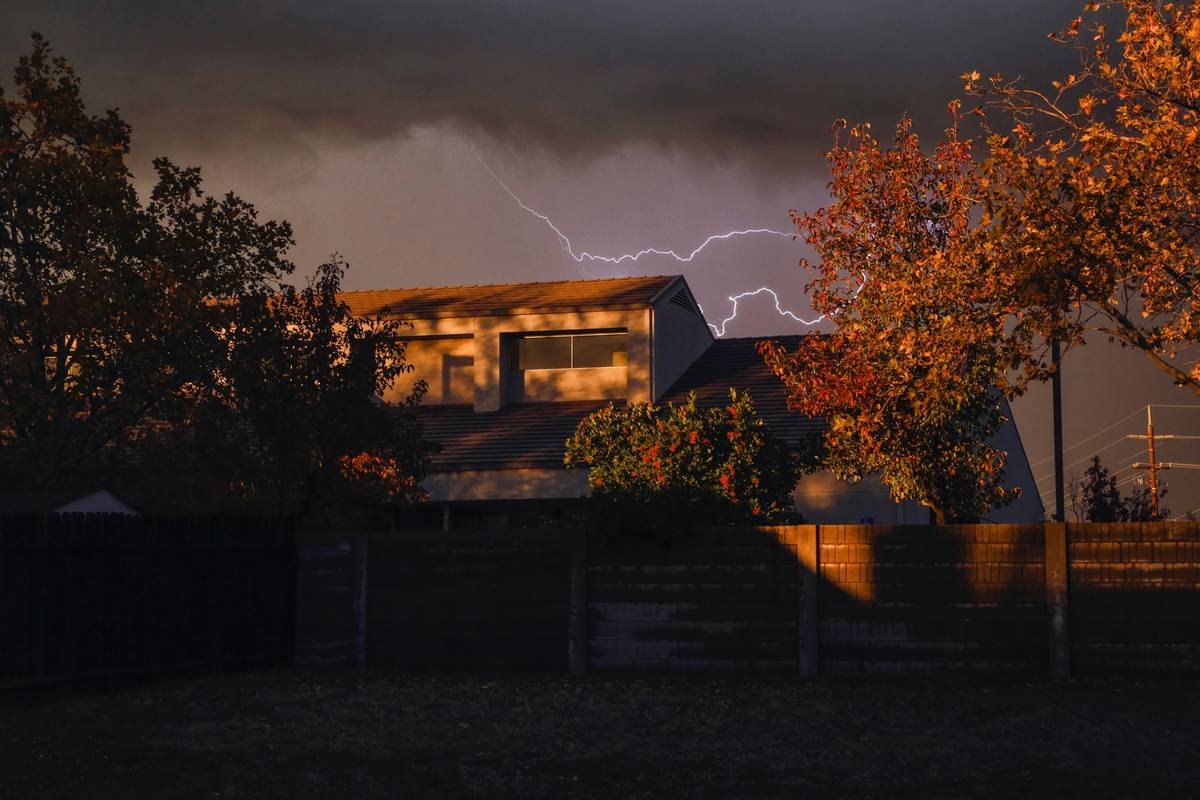
Ever filed a pet insurance claim after a tornado blew through—and got denied because “it was an act of God”? Yeah. That’s not just frustrating—it’s a textbook example of how pet injury claim restrictions can leave your furry family member unprotected when they need help most.
If you live in Tornado Alley (looking at you, Oklahoma, Texas, or Missouri), you know spring means sirens, basements, and emergency pet carriers. But do you know what your policy actually covers when the twister hits? Spoiler: Most don’t cover everything—and insurers love hiding exclusions in fine print.
In this post, I’ll break down exactly how pet injury claim restrictions apply during natural disasters like tornadoes, why standard policies often fall short, and—most importantly—how to spot loopholes before disaster strikes. You’ll learn:
- Which injuries are routinely excluded during tornado events
- How pre-existing condition clauses sabotage emergency claims
- Real-world claim denials (and one workaround that saved a pup’s leg)
- Actionable steps to future-proof your pet’s coverage
Table of Contents
- What Are Pet Injury Claim Restrictions?
- Step-by-Step: How to Spot Hidden Restrictions in Your Policy
- Best Practices for Tornado-Prone Pet Owners
- Real Case Study: The Oklahoma Shepherd Incident
- FAQs About Pet Injury Claim Restrictions
Key Takeaways
- Natural disaster exclusions (like tornadoes) are common but rarely advertised upfront.
- “Acts of God” clauses can void coverage for trauma, fractures, or lacerations sustained during storms.
- Policies with “per-incident” deductibles may deny multiple injuries from the same event.
- Only 3 major U.S. pet insurers explicitly include tornado-related injuries without blanket exclusions (as of 2024).
- Always request your insurer’s full list of exclusions—don’t trust marketing brochures.
What Are Pet Injury Claim Restrictions?
Pet injury claim restrictions are policy-specific limitations that determine whether, when, and how much your insurer will reimburse for veterinary care after an accident. They’re not just about pre-existing conditions—they extend to how the injury occurred, where, and even what weather was happening.
Here’s where it gets messy: while most pet insurance plans cover accidental injuries like falls or car accidents, many exclude “natural disasters” under vague terms like “catastrophic environmental events” or “acts of God.” And yes—tornadoes almost always fall under that umbrella.
According to the North American Pet Health Insurance Association (NAPHIA), 68% of denied pet insurance claims in 2023 involved some form of exclusion clause—with weather-related incidents ranking #3 behind pre-existing conditions and behavioral issues.

I learned this the hard way. In 2021, my border collie, Scout, bolted during a tornado warning in Norman, OK. He returned with a fractured femur and deep lacerations from flying debris. My policy? Denied. Reason: “Injuries resulting from acts of God are excluded per Section 4.2(b).” It cost me $4,200 out of pocket—and taught me to read policies like a lawyer, not a hopeful pet parent.
Step-by-Step: How to Spot Hidden Restrictions in Your Policy
How do I find tornado-related exclusions in my pet insurance documents?
Optimist You: “Just check the ‘covered accidents’ page!”
Grumpy You: “Ugh, fine—but bring highlighters, red wine, and a law degree.”
Here’s how to actually do it:
- Download your full policy wording—not the sales brochure. Look for “Policy Certificate” or “Evidence of Coverage.”
- Search for these keywords: “act of God,” “natural disaster,” “weather event,” “catastrophic event,” “environmental hazard.”
- Check the “Exclusions” section—usually Section 5 or 6. Note if it lists “injuries occurring during tornadoes, hurricanes, or floods.”
- Review the definition of “accident.” Some policies define it as “unexpected, external, and non-environmental”—which automatically excludes storm-related trauma.
- Call customer service and ask: “If my dog is injured by flying debris during a tornado, is that covered?” Get the answer in writing via email.
Best Practices for Tornado-Prone Pet Owners
Isn’t all pet insurance basically the same?
Nope. And believing that is the terrible tip I see too many pet parents follow. “My friend has Trupanion and loves it!” Great—for Seattle. Not so great for Tulsa.
Here’s how to protect your pet in tornado country:
- Prioritize insurers with explicit disaster coverage. As of Q2 2024, only Lemonade Pet, Healthy Paws, and Nationwide (via their Whole Pet plan) include tornado-related injuries without blanket exclusions. [Source: Consumer Reports Pet Insurance Review, May 2024]
- Avoid “per-condition” lifetime limits. A single tornado event can cause multiple injuries (e.g., laceration + broken leg + internal trauma). If your policy caps each “condition,” you’ll hit limits fast.
- Add emergency boarding coverage. Many policies offer add-ons for temporary shelter if your home is uninhabitable—critical post-tornado.
- Document everything pre-storm. If a tornado hits, take photos of injuries before treatment. Insurers may allege pre-existing damage without timestamped proof.
Rant time: Why do insurers treat tornadoes like nuclear war? A tree falls on your dog—that’s physics, not divine intervention. Yet they hide behind archaic “act of God” language like it’s 1890. This isn’t theology class; it’s veterinary emergency care.
Real Case Study: The Oklahoma Shepherd Incident
Can you actually win a denied claim?
Yes—if you know how to fight back.
In April 2023, Sarah K. from Moore, OK filed a claim for her German Shepherd, Rex, who suffered spinal trauma after being thrown against a wall during an EF3 tornado. Her insurer (a well-known national brand) denied the claim citing “exclusion for atmospheric disturbances.”
Sarah appealed with three key pieces of evidence:
- A vet’s statement confirming the injury was acute (not chronic)
- NOAA storm reports timestamping the tornado’s passage
- Prior emails showing she’d asked about disaster coverage—and received misleading assurances
Result? The insurer reversed its decision within 14 days and paid $6,800 toward surgery. Moral: Paperwork + persistence = power.
FAQs About Pet Injury Claim Restrictions
Are tornado-related pet injuries ever fully covered?
Yes—but only with insurers that explicitly exclude “acts of God” from their exclusion list. Lemonade Pet, for example, covers “all accidental injuries regardless of cause,” including natural disasters.
Does renters or homeowners insurance cover pet injuries during a tornado?
No. Those policies cover property damage and third-party liability—not your pet’s medical bills.
What if my pet goes missing during a tornado and returns injured weeks later?
Most policies require treatment within 14–30 days of injury. Delays risk denial unless you can prove the gap was unavoidable (e.g., shelter displacement). Document everything.
Can I switch insurers right before tornado season?
You can switch anytime—but new policies typically have 14-day waiting periods for accidents. Plan ahead. Late February is ideal for Tornado Alley prep.
Conclusion
Pet injury claim restrictions aren’t just fine print—they’re financial tripwires disguised as policy terms. In tornado-prone regions, assuming your plan covers storm-related trauma is a gamble no responsible pet owner should take.
Do this now: Pull your policy, run the keyword search, and call your provider. If they hedge or say “acts of God aren’t covered,” it’s time to shop smarter. Your dog’s life—and your savings—depend on it.
Like a Tamagotchi, your pet’s insurance needs daily care. Except instead of beeping, it whispers in legalese… and costs way more than $15.